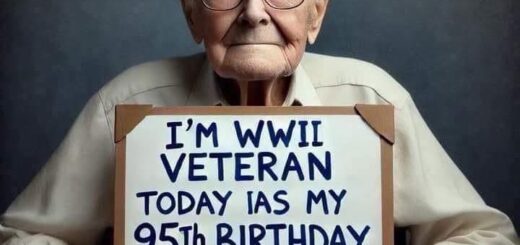
“DIED TODAY”
At first glance, the image delivers a shock.
A smiling man.
Bold red lettering.
Broken-heart emojis.
And two words designed to stop your scrolling cold: “DIED TODAY.”
Your brain reacts before logic does. Heart drops. Curiosity spikes. You feel an urge to swipe, click, confirm, know.
That reaction is not accidental.
How Images Like This Are Engineered
This kind of image follows a familiar formula used across social media:
-
A recognizable face to trigger emotional attachment
-
A bright red “emergency” background to create urgency
-
The word died with no context, date, or source
-
Emojis to heighten emotional response
-
A “swipe up” prompt to force action before thinking
It’s not news — it’s emotional bait.
What’s Missing Matters Most
Notice what isn’t there:
-
No credible source
-
No explanation
-
No verification
-
No respect for truth or impact
Often, images like this are completely false, recycled, misleading, or intentionally vague so the truth is hidden behind a click. In many cases, the person shown is alive and well.
The goal isn’t to inform.
The goal is to exploit fear.
The Real Damage of Death Clickbait
These posts don’t just mislead — they harm.
-
Families panic before facts are known
-
Fans grieve something that never happened
-
Trust in real journalism erodes
-
Audiences become numb to actual loss
When death becomes a tool for engagement, compassion is replaced by manipulation.
Pause Before You Swipe
Before reacting, ask yourself:
-
Is there a trusted outlet attached to this?
-
Is the headline designed to inform or to scare?
-
Would real news rely on emojis and shock tactics?
Real reporting doesn’t need to trick you into caring.
The Bigger Truth
This image isn’t about someone dying.
It’s about how easily attention can be stolen — and how important it is to slow down, question, and protect truth in a world that profits from panic.
Because real lives deserve accuracy.
And real news doesn’t shout to be believed.