Europe Under Fire: Heatwaves and Wildfires Grip the Continent
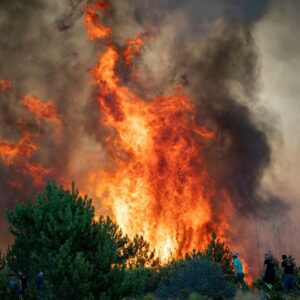
Europe is once again facing the fierce reality of a changing climate. Over the past week, large parts of Southern Europe have been battling extreme heat and devastating wildfires, leaving thousands displaced, landscapes scorched, and emergency services stretched to the brink.
Temperatures Break Records
From France to the Balkans, thermometers have been pushing beyond 40 °C (104 °F). Meteorologists have called this one of the most intense heatwaves in recent memory, with some regions experiencing their hottest August days on record.
The heat isn’t just uncomfortable—it’s dangerous. Authorities have issued red-level heat alerts, warning citizens about heatstroke risks, dehydration, and increased fire hazards.
Wildfires on the Rampage
The heat has fueled wildfires across several countries:
- France: Thousands were evacuated from homes and campsites along the Mediterranean coast as flames tore through forests and farmland.
- Greece: A series of wildfires near Athens and on several islands have forced mass evacuations, with firefighting aircraft deployed around the clock.
- Croatia & Albania: Coastal regions are fighting multiple blazes, with high winds spreading the flames faster than crews can contain them.
Satellite images show thick plumes of smoke drifting across the Adriatic and into neighboring countries, impacting air quality far beyond the fire zones.
Human and Economic Impact
The human toll has been immediate—people have lost homes, farmers have seen crops destroyed, and tourism, a key economic pillar for many southern European nations, has taken a hit. Air travel has been disrupted in some areas due to smoke and firefighting operations, and several major highways remain closed.
Public health officials are warning that vulnerable populations—especially the elderly, children, and those with respiratory illnesses—are at heightened risk.
A Glimpse into the Future?
Climate scientists point to these events as part of a worrying pattern. Heatwaves in Europe are becoming hotter, longer, and more frequent, and wildfire seasons are starting earlier and ending later. While weather patterns vary year to year, experts agree that human-driven climate change is amplifying extremes.
The Response
Across Europe, emergency services are working tirelessly. The EU’s Civil Protection Mechanism has been activated, allowing member states to send firefighting aircraft, crews, and equipment to the worst-hit regions. Citizens have also stepped in—volunteers are distributing water, food, and shelter to displaced families.
Governments are now facing pressure to strengthen wildfire prevention measures, invest in climate resilience, and accelerate the shift away from fossil fuels.
Bottom line: Europe’s current crisis is a powerful reminder that climate change is not a distant threat—it’s unfolding right now. The heatwaves and wildfires of this summer will be remembered not just for their destruction, but also for the urgency they bring to the fight against a warming planet.