Subtle Changes in Your Face That Can Reflect Overall Health
The human face often reflects what is happening inside the body. While many facial changes are harmless and related to lifestyle factors such as stress, diet, aging, or lack of sleep.
Some visible alterations can be early warning signs of underlying medical conditions. Paying attention to these changes and understanding what they might indicate can help you seek medical advice early and potentially prevent more serious health complications.
It is important to note that facial symptoms alone are not a diagnosis. However, when changes are persistent, worsening, or accompanied by other symptoms, they should not be ignored.
Below are four facial changes that may be linked to undiagnosed health conditions, explained in detail with medically accurate information.

1. Eyebrow Thinning
Eyebrow thinning or hair loss (also known as eyebrow alopecia) is a common concern that can occur for many reasons, including aging, excessive grooming, stress, or nutritional deficiencies.
However, when eyebrow thinning happens suddenly, symmetrically, or progressively without an obvious cause, it may be a sign of an underlying medical condition.
Hypothyroidism and Eyebrow Loss
One of the most well-known medical causes of eyebrow thinning is hypothyroidism, a condition in which the thyroid gland does not produce enough thyroid hormones.
The thyroid plays a crucial role in regulating metabolism, body temperature, energy levels, and hair growth.
In hypothyroidism, hair growth slows down, and hair follicles may enter a resting phase prematurely. This can result in thinning hair on the scalp as well as loss of hair on the outer third of the eyebrows, a classic but not universal symptom.
Other common symptoms of hypothyroidism may include:
Fatigue and low energy
Weight gain
Sensitivity to cold
Dry skin
Depression
Slow heart rate
Brittle nails
Eyebrow thinning alone does not confirm hypothyroidism, but when combined with these symptoms, it is advisable to consult a healthcare provider and request thyroid function testing.
Atopic Dermatitis and Skin Inflammation
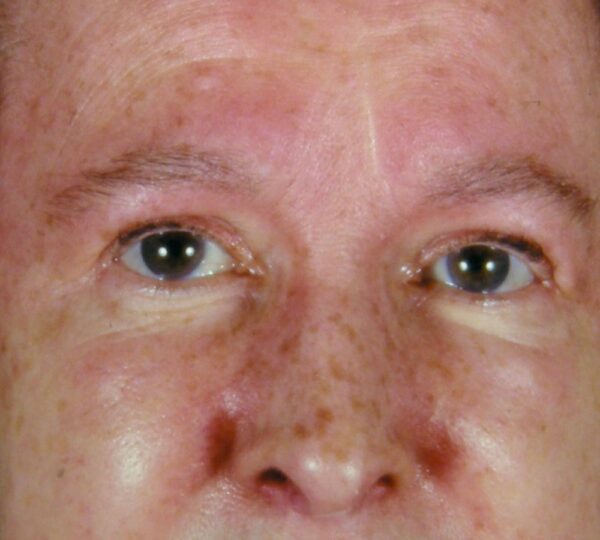
Another possible cause of eyebrow thinning is atopic dermatitis, a chronic inflammatory skin condition often associated with eczema.
This condition affects a significant portion of the population and can cause redness, itching, dryness, and scaling of the skin.
When atopic dermatitis affects the face, especially the eyebrow area, repeated inflammation, scratching, or skin barrier disruption can damage hair follicles, leading to eyebrow hair loss over time. In most cases, this hair loss is temporary and improves once the skin condition is properly managed.
Other Possible Causes
Eyebrow thinning may also be associated with:
Nutritional deficiencies (such as iron, zinc, or biotin deficiency)
Autoimmune conditions like alopecia areata
Hormonal changes (including menopause)
Chronic stress
Because eyebrow thinning has many potential causes, a medical evaluation is often necessary to determine the underlying reason and appropriate treatment.
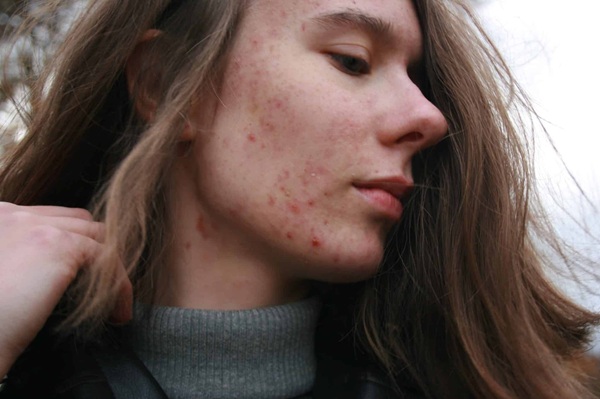
2. Intense Acne and Unusual Facial Hair Growth
Mild acne and fine facial hair (often referred to as peach fuzz) are normal and common. However, severe acne, sudden onset of acne in adulthood, or excessive facial hair growth in women may signal a hormonal imbalance or an endocrine disorder.
Polycystic Ovary Syndrome (PCOS)
One of the most common medical conditions associated with intense acne and unusual facial hair growth is Polycystic Ovary Syndrome (PCOS). PCOS is a hormonal disorder that affects people with ovaries, typically during reproductive years.
PCOS is characterized by elevated levels of androgens (male hormones), which can lead to:
Persistent or severe acne, especially on the jawline, chin, and cheeks
Excess hair growth on the face, chest, or abdomen (a condition known as hirsutism)
Irregular or missed menstrual periods
Difficulty with ovulation and fertility
Weight gain or difficulty losing weight
The hormonal imbalance in PCOS stimulates oil production in the skin, which can clog pores and cause inflammation, leading to acne that does not respond well to typical over-the-counter treatments.
When to Seek Medical Advice
If acne is severe, painful, persistent, or accompanied by abnormal hair growth or menstrual irregularities, it is important to consult a healthcare provider
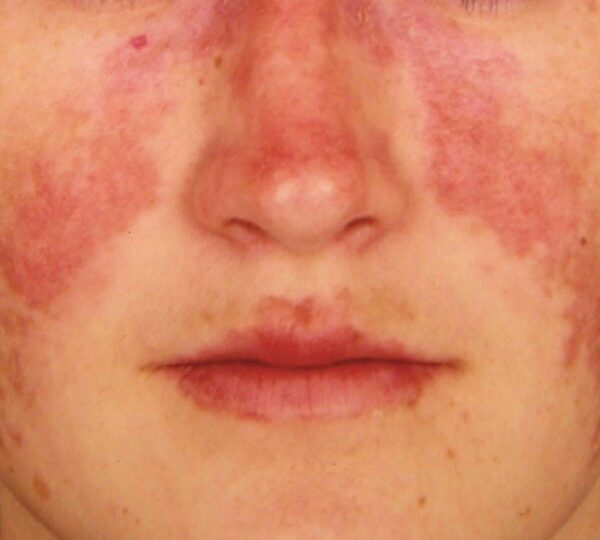
. Early diagnosis of PCOS can help manage symptoms and reduce the risk of long-term complications such as type 2 diabetes, metabolic syndrome, and cardiovascular disease.
Other Possible Hormonal Causes
In rare cases, intense acne and abnormal hair growth may also be linked to:
Adrenal gland disorders
Cushing’s syndrome
Certain medications that affect hormone levels
A healthcare professional may recommend blood tests, imaging studies, or referrals to an endocrinologist or dermatologist to determine the cause.