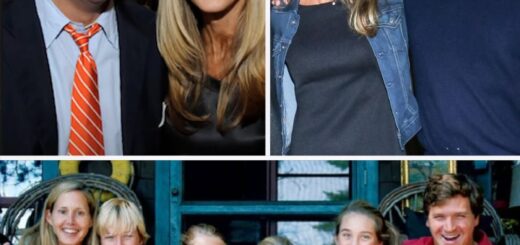
“Then” vs. “Now”
At first glance, this image wants to tell a very specific narrative.
A bold “Then” at the top.
A bold “Now” at the bottom.
A setup that invites judgment, shock, comparison — and a quick conclusion.
But photos like this rarely tell the full truth.
The Problem With “Then vs. Now”
Images framed this way are designed to do one thing: reduce complex human lives into a single, simplified storyline.
They suggest:
-
That people peak at one moment
-
That bodies must follow a single “acceptable” path
-
That change automatically equals decline — or failure
None of that is true.
What the Image Leaves Out
What we don’t see in this picture:
-
The years lived between “then” and “now”
-
The experiences, choices, health changes, joy, loss, or growth
-
The fact that bodies change because life happens
A photograph freezes a second — not a story.
Bodies Are Not Before-and-After Projects
This image invites people to laugh, judge, or feel superior. But bodies aren’t projects meant for public grading.
They age.
They change.
They respond to stress, love, illness, happiness, grief, and time.
And none of that requires explanation or apology.
Confidence Looks Different at Different Stages
What often gets ignored in these comparisons is this: confidence doesn’t always look the same over time.
Sometimes confidence is loud and playful.
Sometimes it’s quiet and grounded.
Sometimes it’s simply choosing comfort over performance.
All of those are valid.
The Real Question Isn’t “What Happened?”
The real question is:
Why are we so eager to turn real people into punchlines?
Why do we act as if aging, weight change, or lifestyle shifts are moral failures?
A Better Way to Look
Instead of asking:
“What went wrong?”
Try asking:
“What did they live through?”
Because life leaves marks — and those marks don’t make someone less worthy of respect.
Final Thought
This image isn’t proof of decline.
It’s proof of how easily context can be stripped away for clicks.
People are not headlines.
Bodies are not cautionary tales.
And “now” is not less valuable than “then.”